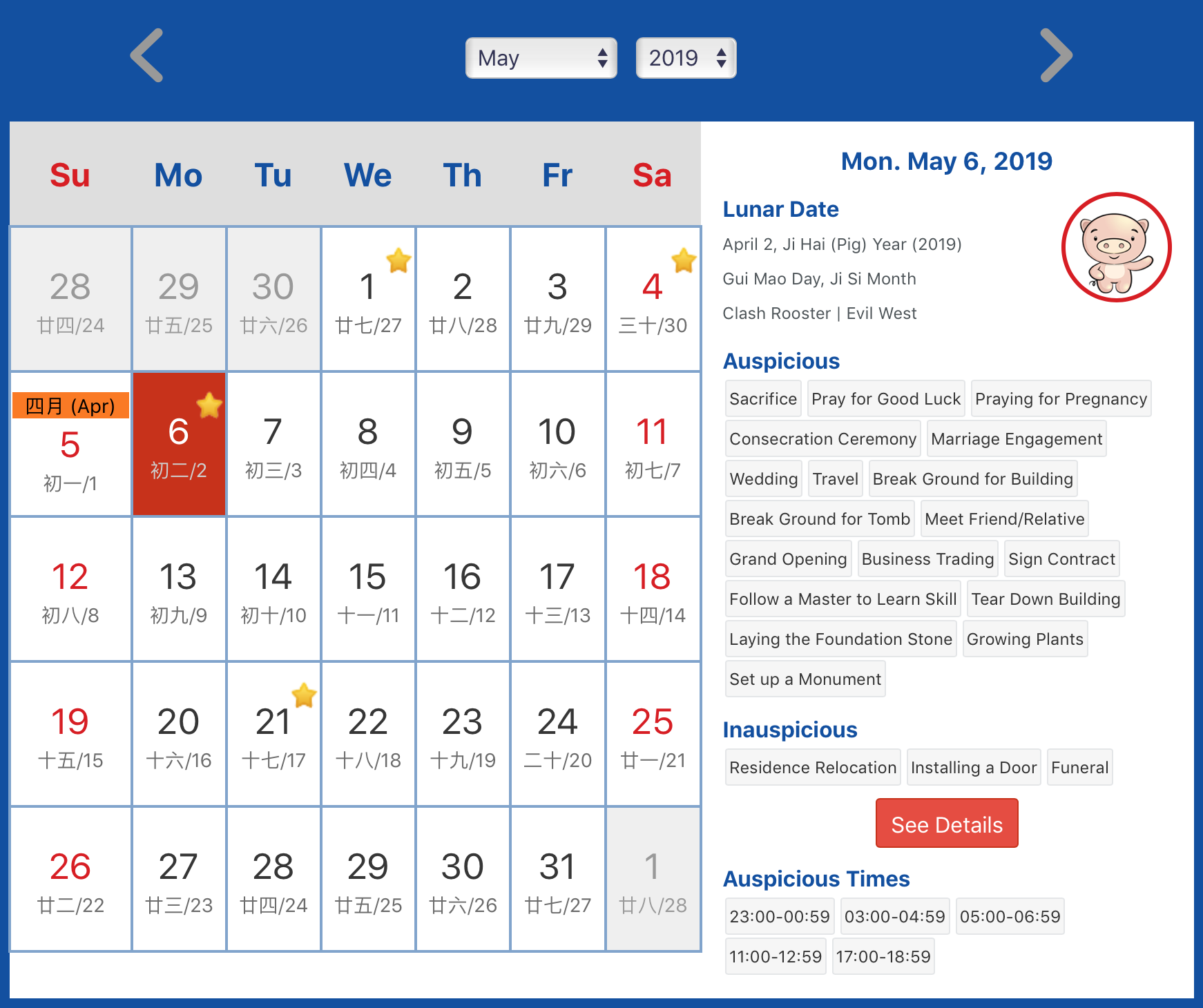
No matter where you travel to, each country or region is bound to have cultural differences. After many discussions in class and learning about some of the different holidays and traditions that go on in China, I wanted to compare the traditions to the Western traditions in America. There are every day things that people would not think too much about. One thing that was interesting to learn about the Chinese culture is that for weddings, people do not get married on certain days because the date correlates to having bad luck. Another interesting Chinese characteristic that stood out is the use of two calendars, the Lunar and Solar Calendars.
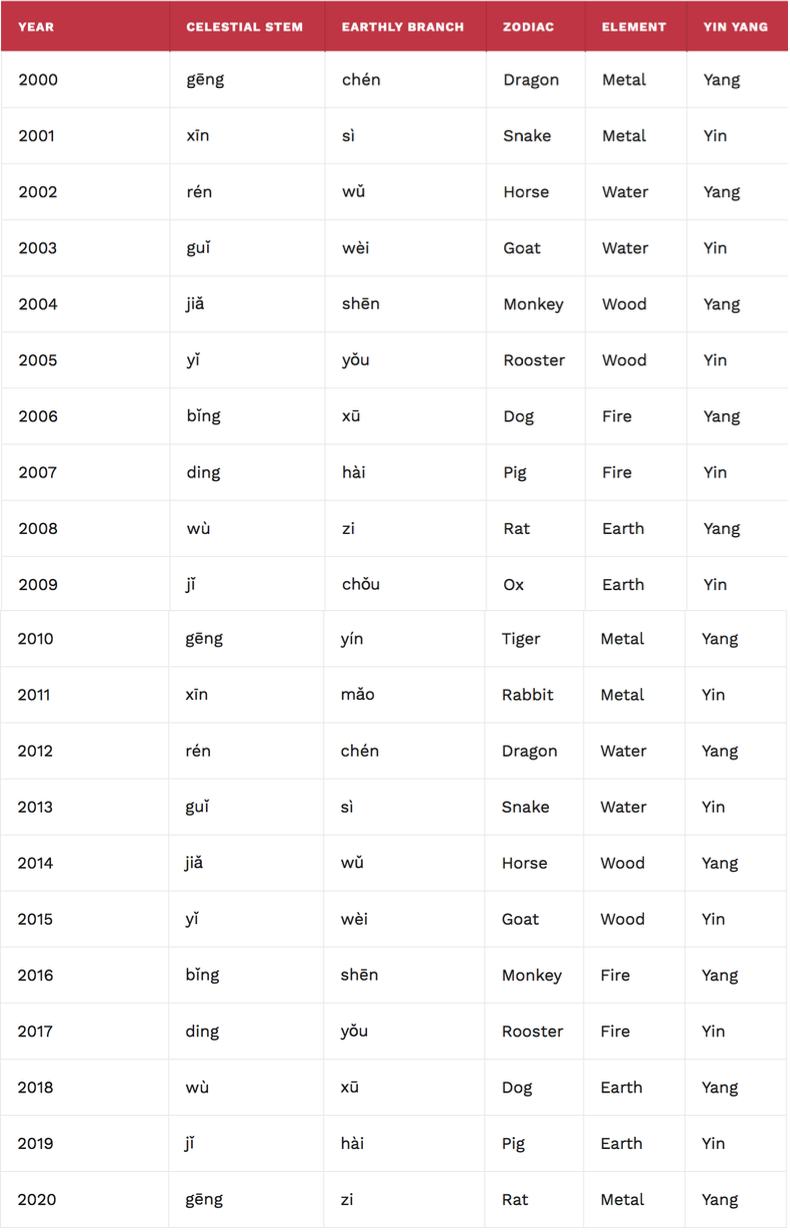
When looking at the Chinese calendar, one is able to see the lunar dates within the solar calendar date. It also gives insight to what you can should and what you should not do on that day because one could mean success while the other is just bad news for that day. Another interesting fact that I found intriguing was that the Chinese calendar also plays off of the zodiac signs. For 2019, it is the year of the pig. Each year, month, day, etc. has its own zodiac symbol tied to it. The really cool thing is that each zodiac sign has its own significance about what each animal represents, whether it deals with one of the five elements or with different qualities.
One thing that was talked about in detail is something that little girls always dream of, their wedding day. For the American side, it is really different on how the ceremony and post-ceremony proceed. For a typical American wedding, it usually starts out with the bridal party getting up early to start getting ready. The bride will get her hair done all up and she will most likely wear a white dress, but some women are now starting to go for different colored dresses. Next, the bride would follow the traditions that come with the wedding scheme and that is for her to wear something old, new, blue, and borrowed. It is up to the bride what that could entail. It could range from jewelry, to shoes, to under garments, and more. Next, there are the group pictures to be taken either before to after the wedding ceremony and that usually happens in a church, but can also happen outside or wherever the venue is.
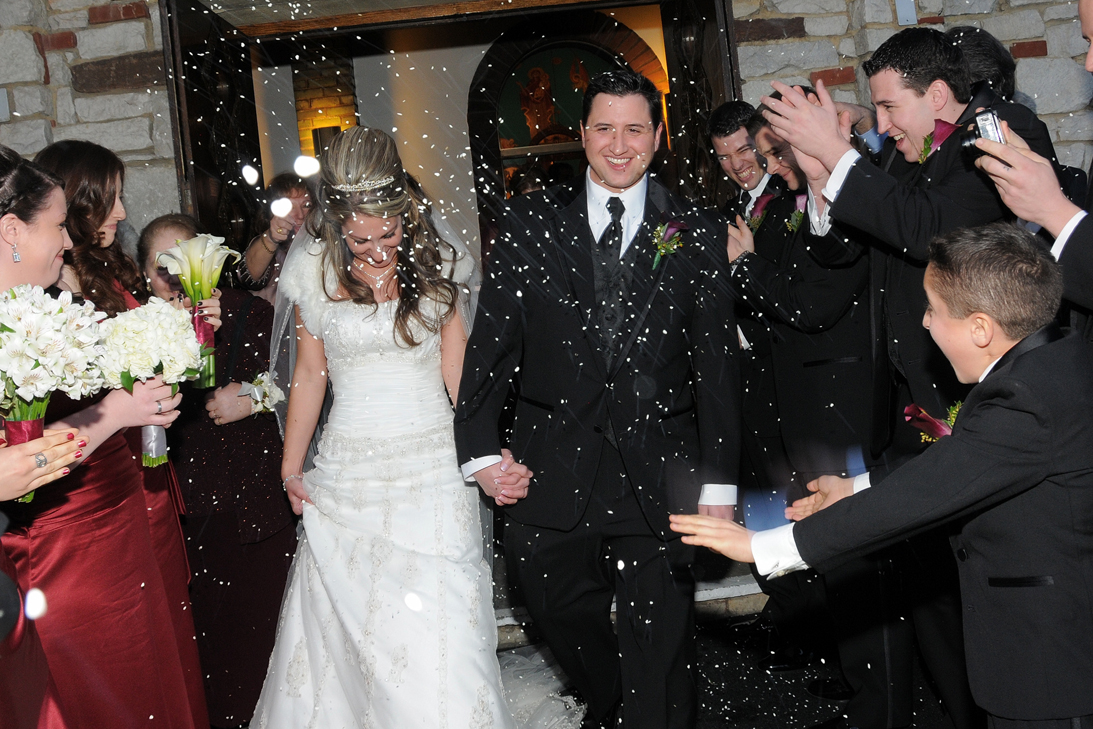
After the ceremony and pictures, there is a reception that follows after that. This is when family and friends of both the bride and groom’s side come together to celebrate the new couple. This is where there would be a big feast for everyone to eat, talk, and dance. There would be the father/daughter dance and the mother/son dance and also the traditional first dance as a couple. There is a wedding cake and different traditional activities to do throughout the celebration.
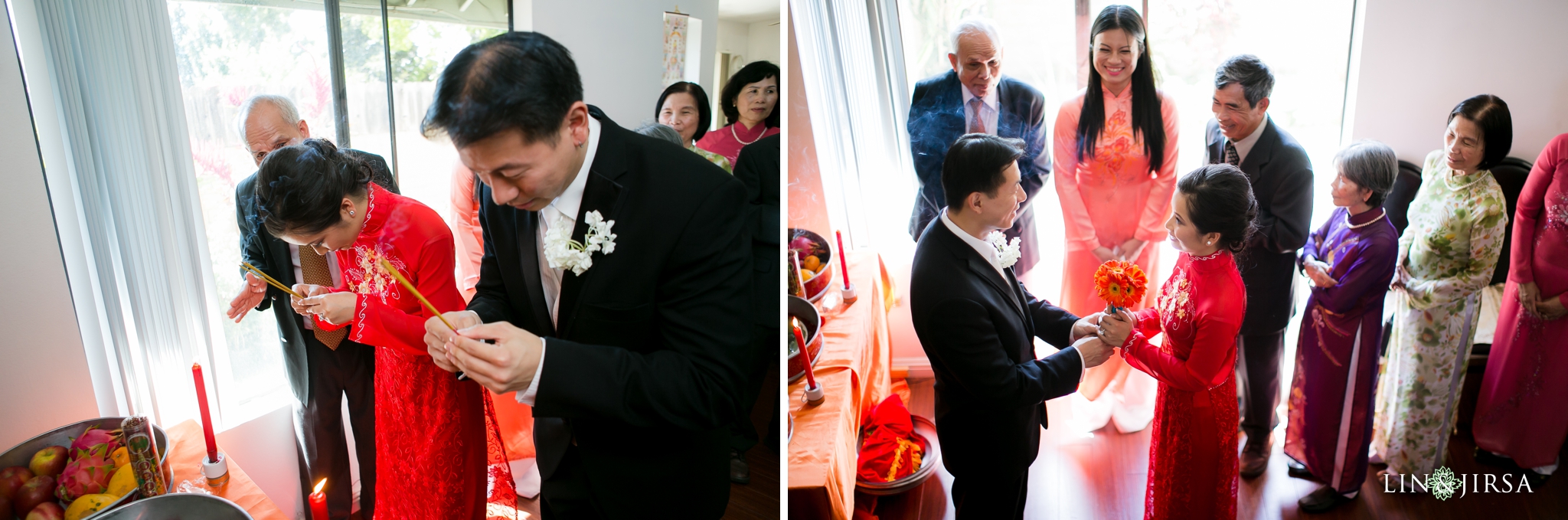
The Chinese wedding has other traditions that it follows. For one, the bride wears red instead of white and there is a traditional tea ceremony too. Another interesting fact is that there are usually six courses during the banquet, during which both the bride and groom change their clothing between the third and sixth courses. There is also tradition with red envelopes. This is when the newly wed couple receives red envelopes with a money gift inside, but the twist is, is that later on when the couple who gave them that gift get married, the couple is supposed to give a higher amount of money than they received at their wedding.
Another thing that stuck out during this past semester, was that the Chinese have lots of holidays that America does not have. Some of the Chinese holidays include the Spring festival, the Lantern Festival, the Dragon Boat Festival, and the Double Seventh Festival. When looking at the chart below, right off the bat one can immediately see one thing that American holidays do not do and that it to celebrate a holiday for more than one day.
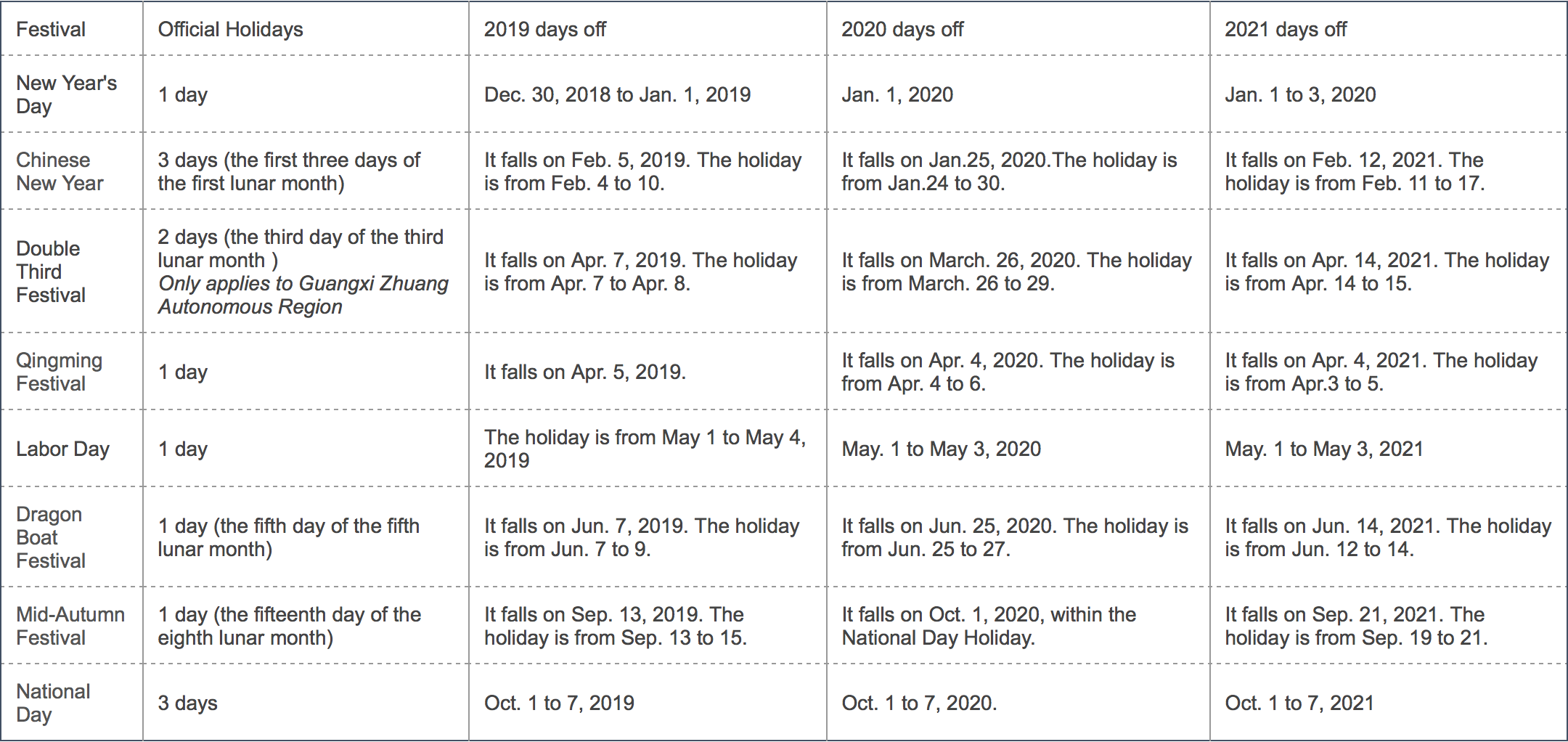
The major holidays that the average American celebrates include: New Year’s (Eve), Valentine’s Day, Memorial Day, St. Patrick’s Day, Easter, Fourth of July, Labor Day, Halloween, Thanksgiving, and lastly Christmas or whatever winter holiday one celebrates depending on their religion. When looking back on the holidays discussed in class, China has more traditional celebrations in the sense that they seem more organized and have activities planned. This is due to the fact that a couple of the holidays for Americans like Memorial Day, Labor Day, or St. Patricks Day, one could not care to celebrate or make plans and just relax that day. There are no festivities planned for the community or traditional meals to make for that holiday. The other holidays usually just include a meal with either your significant other or family, no real preparation plans to make days in advanced.
When comparing these holidays to the Chinese holidays listed earlier, the Chinese culture seems to put more planning into their holidays than Americans do. The Chinese celebrate two New Year’s, one in January just like Americans, and then the second one is the Chinese New Year or the Spring festival in February (at least for 2019). Most of these holidays have decorations around the town, while Americans do not decorate. The most Americans will decorate is for Christmas and they will put a Christmas tree up and maybe lights outside.
The lunar and solar calendar, weddings, and holidays are not the only thing that I learned during this semester. We also talked about the different architecture designs for the forbidden city and talked about the different cuisines all around China. We even got to learn how to draw calligraphy and make dumplings. As someone who knew some of the ancient Chinese dynasties going into the class, I really learned how some traditions stuck from different dynasties and ethnic groups and learned a lot of different modern Chinese traditions along the way.

 Alisha's Blog